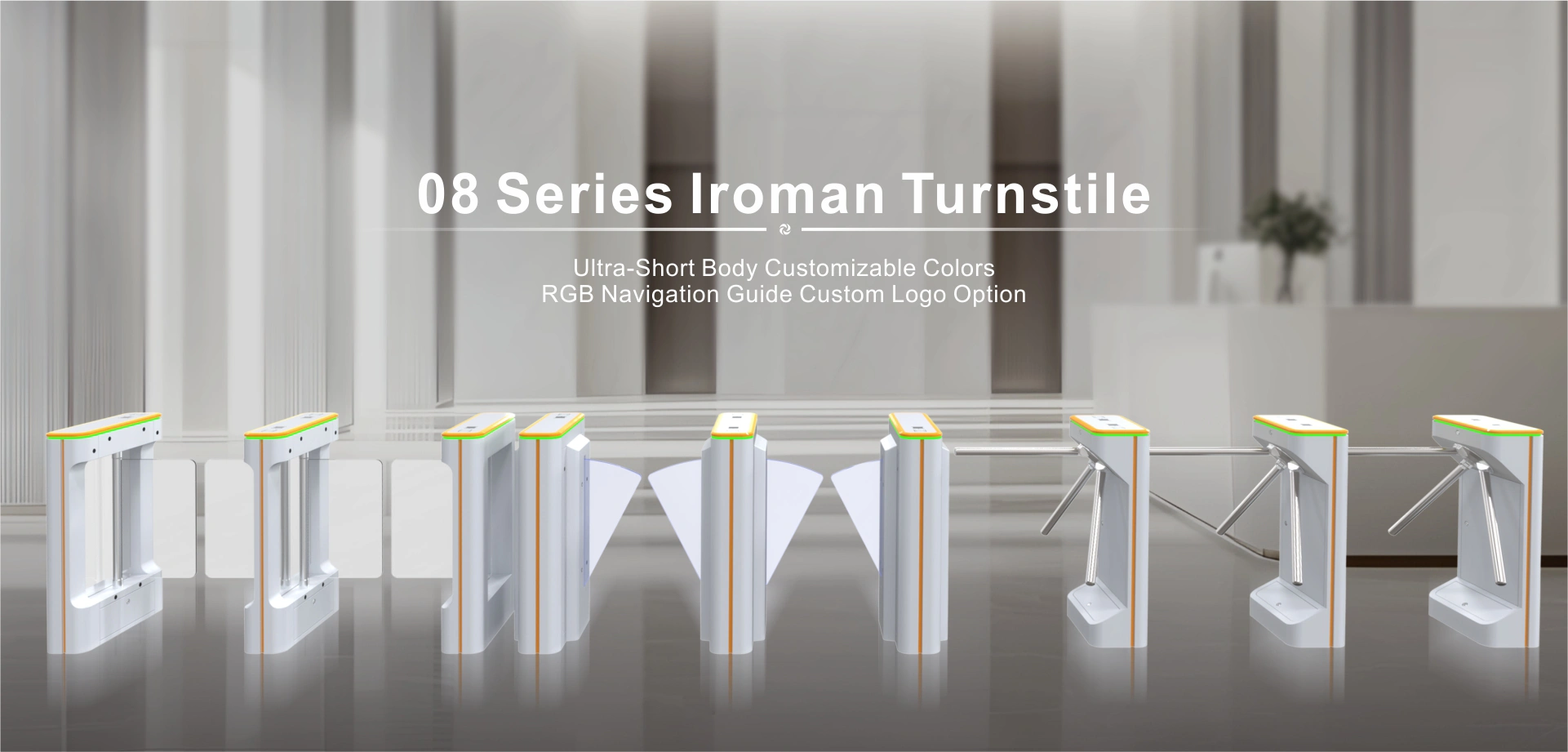
Recently, the pedestrian access control industry is undergoing a profound transformation towards intelligent upgrading, with many companies increasing their R&D investment to meet market demands for efficient, safe, and convenient access management.
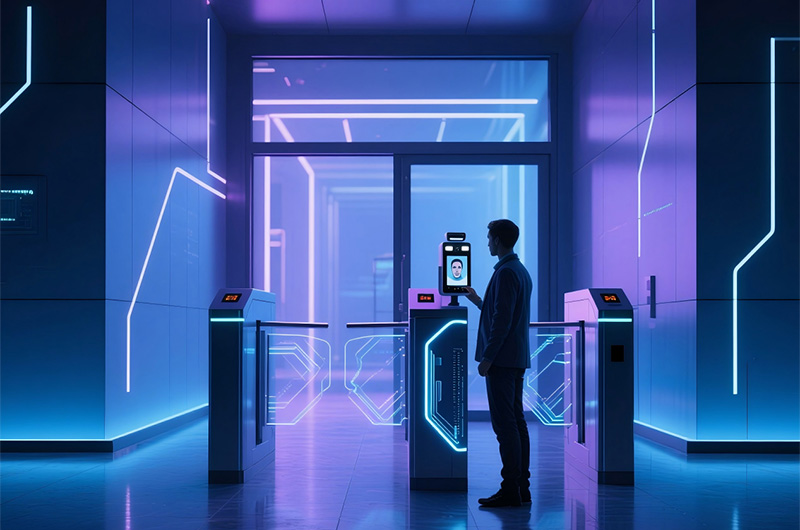
With the rapid development of technologies such as artificial intelligence and the Internet of Things, pedestrian access gates are becoming increasingly powerful. New access gates are equipped with advanced biometric technologies such as facial recognition and fingerprint recognition, offering faster recognition speeds and higher accuracy, significantly improving passage efficiency and security. Furthermore, through deep integration with the Internet of Things, access gates can achieve remote monitoring and real-time data transmission, facilitating centralized management and scheduling by administrators.
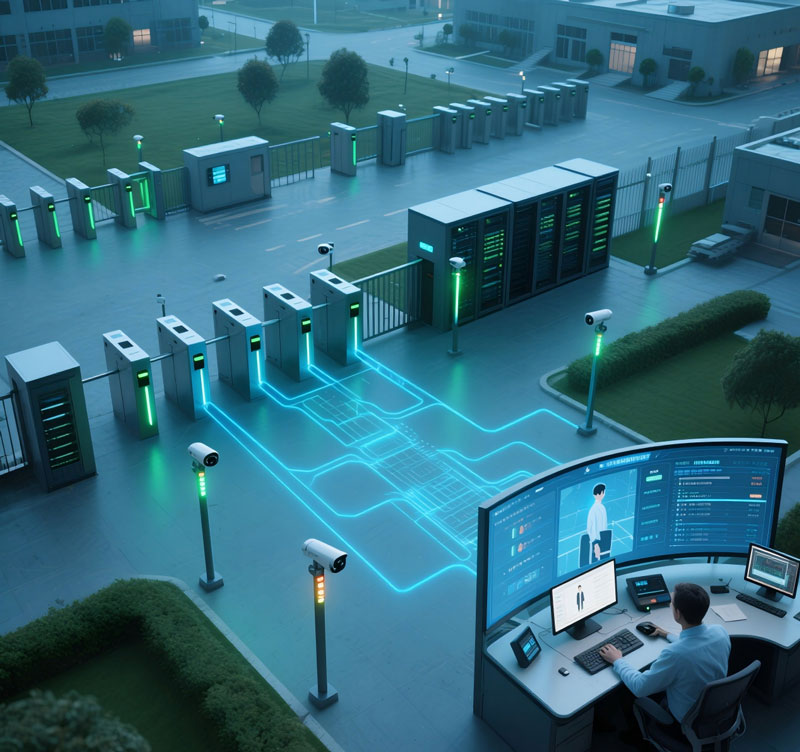
Changing market demands have also spurred continuous innovation from businesses. Large commercial complexes, office buildings, and residential communities have placed higher demands on the aesthetics and compatibility of pedestrian access gates. In response, some companies have launched access gate products with more stylish designs and the ability to integrate with various systems, which have been widely welcomed by the market.
Industry experts say that the intelligent upgrading of pedestrian access control systems is an inevitable trend. In the future, access control systems will not only be simple access control devices, but will also become an important component of smart city management. Companies need to continuously improve their technological strength and innovation capabilities to adapt to rapid market changes and secure a place in the fierce competition. This wave of intelligent upgrading will undoubtedly bring new development opportunities and challenges to the pedestrian access control system.


 Suede leggings XL/BlueRemove 1 × $60.00
 Contrasting sheepskin... XL/BlueRemove 1 × $60.00
 Biker-style leggings XL/BlueRemove 1 × $60.00
 Contrasting sheepskin sweatshirt XL/BlueRemove 1 × $60.00