Measuring Tips
Bust
Measure around the fullest part of your bust.
Waist
Measure around the narrowest part of your torso.
Low Hip
With your feet together measure around the fullest part of your hips/rear.
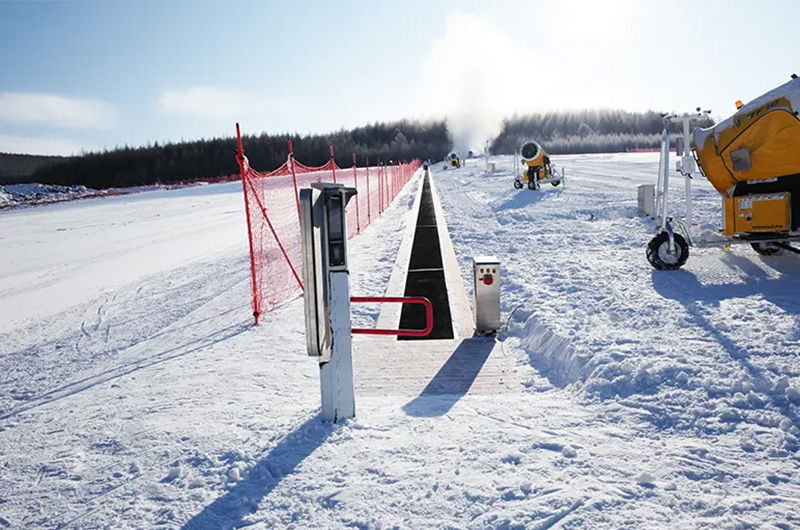
Project Overview Canada is home to some of the world’s most popular ski resorts, where efficient access control, durability in extreme cold, and seamless user experience are critical. To meet these demands, Shenzhen Ironman Intelligent Technology Co., Ltd. successfully delivered a customized snow turnstile solution based on our IM.XZB01 model, specifically adapted for a large ski resort in Canada. This project demonstrates how intelligent pedestrian access control systems can operate reliably in snow-covered, low-temperature outdoor environments, while ensuring smooth skier flow and secure ticket validation. Client Background & Challenges The client is a well-established ski resort in Canada, receiving a high volume of skiers and snowboarders during peak winter seasons. The resort required a gate system that could: Operate reliably in extreme cold and snowy conditions Allow fast, hands-free access for skiers wearing gloves Integrate with existing ski pass / RFID ticketing systems Maintain stable performance despite snow, ice, and moisture Support outdoor, long-term operation with minimal maintenance Traditional indoor turnstiles were not suitable for this environment, prompting the need for a custom snow turnstile solution. Solution: IM.XZB01 Customized Snow Turnstile After detailed discussions and site analysis, Ironman Intelligent provided a custom-modified IM.XZB01 snow turnstile, engineered specifically for ski resort applications. Key Customizations Low-temperature resistant components Designed to operate reliably in sub-zero environments common in Canadian winters. Enhanced waterproof & snow-proof structure Prevents malfunction caused by snow accumulation and melting ice. Outdoor-grade stainless steel housing Corrosion-resistant, ideal for long-term outdoor use in alpine conditions. Ergonomic swing arm design Allows skiers to pass smoothly without removing gloves or equipment. RFID ski pass compatibility Seamless integration with the resort’s existing ticketing and access control system. Anti-slip pedestrian lane design Ensures safety for users wearing ski boots on icy surfaces. Installation Environment The turnstile system was installed at the ski slope entry point, clearly separating authorized and unauthorized access areas. As shown in the project image: The gate is positioned beside a snow-prepared pedestrian channel Safety fencing ensures guided skier flow The system blends naturally into the ski resort landscape Clear visual indicators improve user guidance even in bright snow conditions Results & Benefits After deployment, the customized IM.XZB01 snow turnstile delivered outstanding performance: ✅ Stable operation in extreme cold and snow ✅ Faster skier throughput during peak hours ✅ Reduced manpower for manual ticket checks ✅ Improved access control accuracy ✅ Enhanced overall guest experience The client reported high satisfaction with both system reliability and ease of use, even during heavy snowfall periods. Why Choose Ironman Intelligent for Ski Resort Turnstiles? With extensive experience in outdoor access control projects, Ironman Intelligent provides: Custom turnstile solutions for ski resorts, scenic areas, and outdoor attractions Proven designs for snow gates / ski turnstiles Full OEM & ODM customization services Compliance with international standards for global projects This Canadian ski resort project further reinforces our ability to deliver high-performance turnstile solutions for extreme environments. SEO Keywords Ski resort turnstile Snow turnstile gate Ski access control system Outdoor turnstile for cold weather RFID ski pass gate Custom ski resort access gate IM.XZB01 turnstile Snowproof pedestrian gate

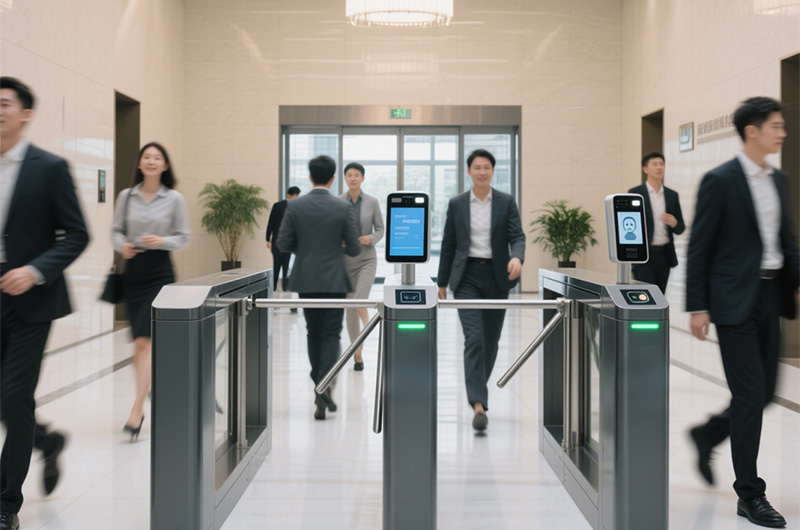
Recently, as a leading enterprise in the field of pedestrian access gates, our factory successfully developed and launched the groundbreaking AI intelligent pedestrian access gate IM.LB01, marking a major breakthrough in our pedestrian access gate technology and injecting new vitality into the industry. This pedestrian access gate integrates advanced artificial intelligence technology and boasts high-precision facial recognition. Utilizing the latest deep learning algorithms, it can quickly and accurately identify pedestrians within 0.1 seconds, achieving an accuracy rate of up to 99.9%. It can easily adapt to varying lighting conditions, facial expressions, and postures, ensuring efficient and safe passage. In addition, this access control gate also features intelligent early warning capabilities. Through built-in sensors and an intelligent analysis system, it can monitor pedestrian flow and behavioral dynamics in real time. Once an anomaly is detected, such as wrong-way walking or tailgating, the system will immediately issue an alarm and promptly relay relevant information to management personnel, effectively preventing safety incidents. The head of our factory’s R&D team stated, “This IM.LB01 pedestrian access control gate is the result of our team’s years of technological accumulation and innovation. We are committed to providing customers with more intelligent, convenient, and safe access solutions to meet ever-changing market demands.”
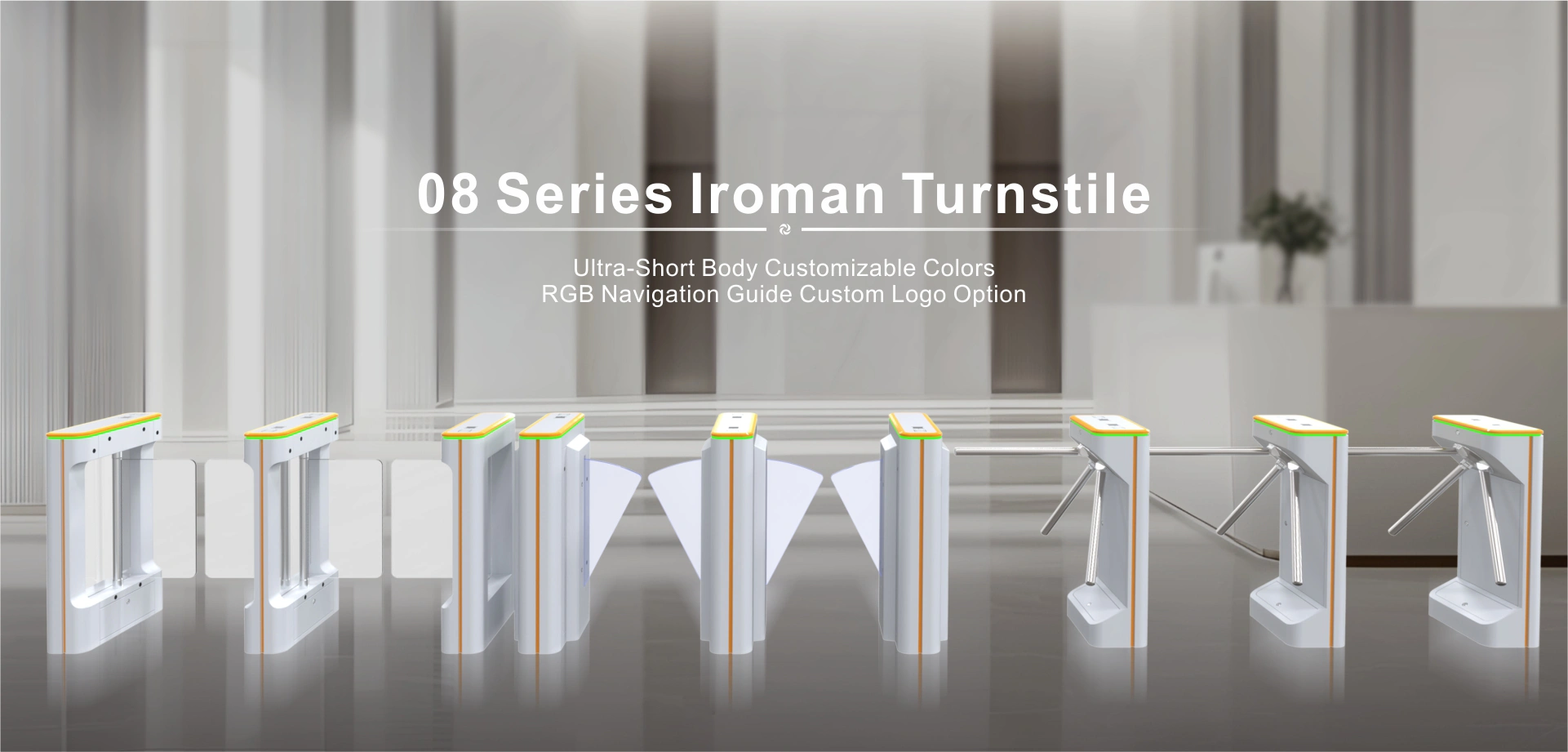
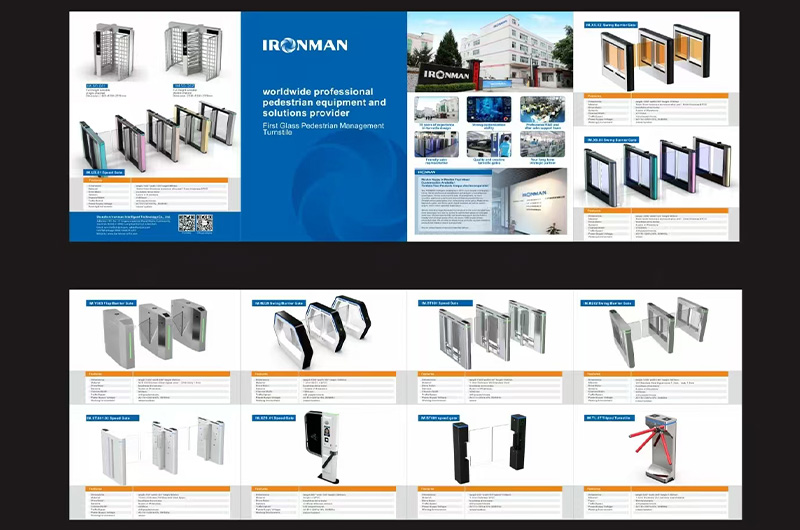
Pedestrian access control gates are not a single product, but rather encompass various types to meet the needs of different scenarios. Common types include tripod turnstiles, swing gates, and wing gates, each differing in their barrier structure and blocking methods. For example, tripod turnstiles are suitable for locations with high pedestrian traffic, while swing gates are better suited for situations requiring high throughput. Furthermore, depending on the application scenario, pedestrian access control gates can be integrated with other systems, such as access control systems and monitoring systems, to achieve more comprehensive security management. This diverse product selection provides users with more flexible customization solutions, meeting the personalized needs of different industries and locations.
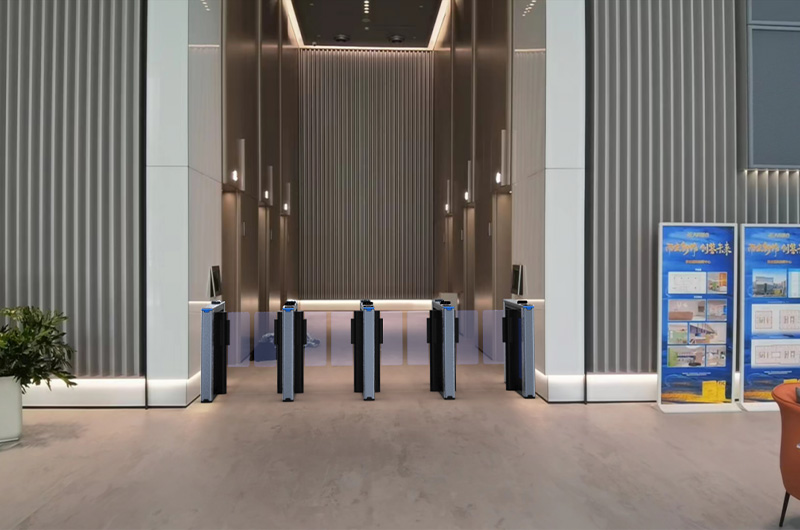
In recent years, with the rapid development of technology and the increasing awareness of safety among the public, the pedestrian access control industry has experienced rapid growth. As an important component of the security industry, intelligent pedestrian access control systems are increasingly widely used, appearing in everything from large public places like subway stations and airports to commercial venues such as office buildings and shopping malls, and even high-end residential communities. Intelligent pedestrian access control systems not only possess traditional access control functions but also integrate advanced technologies such as facial recognition, fingerprint recognition, and QR code scanning, achieving more efficient, convenient, and secure access management. In the future, intelligent pedestrian access control systems will develop towards greater intelligence, integration, and networking, for example, by connecting with cloud platforms to achieve remote monitoring and data analysis, providing users with more comprehensive security solutions. This trend not only improves security levels but also brings great convenience to people’s daily lives.
Recently, the pedestrian access control industry has achieved a landmark technological breakthrough, bringing a brand-new solution to personnel access management in public places. This technological innovation is primarily reflected in the speed and accuracy of the access control’s recognition. By adopting advanced multimodal recognition technology, integrating facial recognition, fingerprint recognition, and QR code recognition, the access control can instantly complete personnel identity verification with an accuracy rate exceeding 99.9%. This not only significantly shortens passage time and improves the efficiency of venues but also significantly enhances security, effectively preventing unauthorized entry. Furthermore, the new pedestrian access control also features intelligent early warning capabilities. When abnormal behavior or unauthorized intrusion is detected, the system immediately issues an alarm and transmits relevant information to the management center in real time, facilitating timely action by management personnel. Industry experts say that this technology will propel the pedestrian access control industry into a new stage of development. As people’s demands for safety and efficiency in public places continue to increase, these high-performance access control systems will be widely used in various locations such as airports, high-speed rail stations, and office buildings. A well-known company has already taken the lead in introducing these new pedestrian access gates. Their representative stated that the new equipment has made personnel management more convenient and efficient, improving overall operational efficiency. It is foreseeable that pedestrian access gate technology will continue to innovate in the future, bringing more convenience to people’s lives and work.
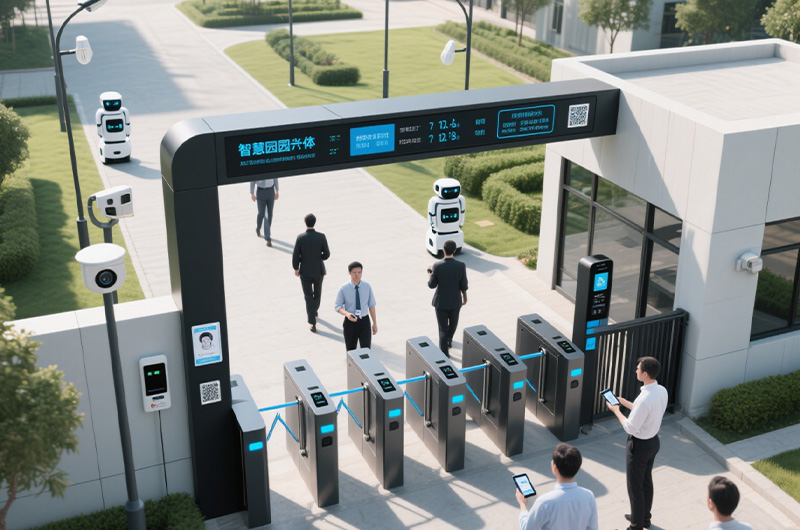
Amid the wave of digital transformation, over 1,200 smart parks across the country have introduced intelligent access control systems. These systems are not only used for personnel management but have also become core nodes in the smart management of these parks. 1. Data Integration: Gate access data is linked with the parking system and visitor management platform to build a database of park personnel flow. 2. Energy Optimization: Automatic adjustment of air conditioning and lighting in public areas through pedestrian flow analysis has saved one park over 800,000 yuan in electricity costs annually. 3. Emergency Response: In case of an emergency, all gates can be opened with a single click, improving evacuation efficiency by 300%. A case study from a technology park in Hangzhou shows that after deploying a smart turnstile system, property management costs decreased by 25% and tenant satisfaction increased by 40%. Analysts point out that future turnstile systems will develop towards a “platform-based” model, with products featuring open API interfaces being more favored by the market. It is recommended that parks reserve space for integration with systems such as fire protection and elevators during the planning stage.