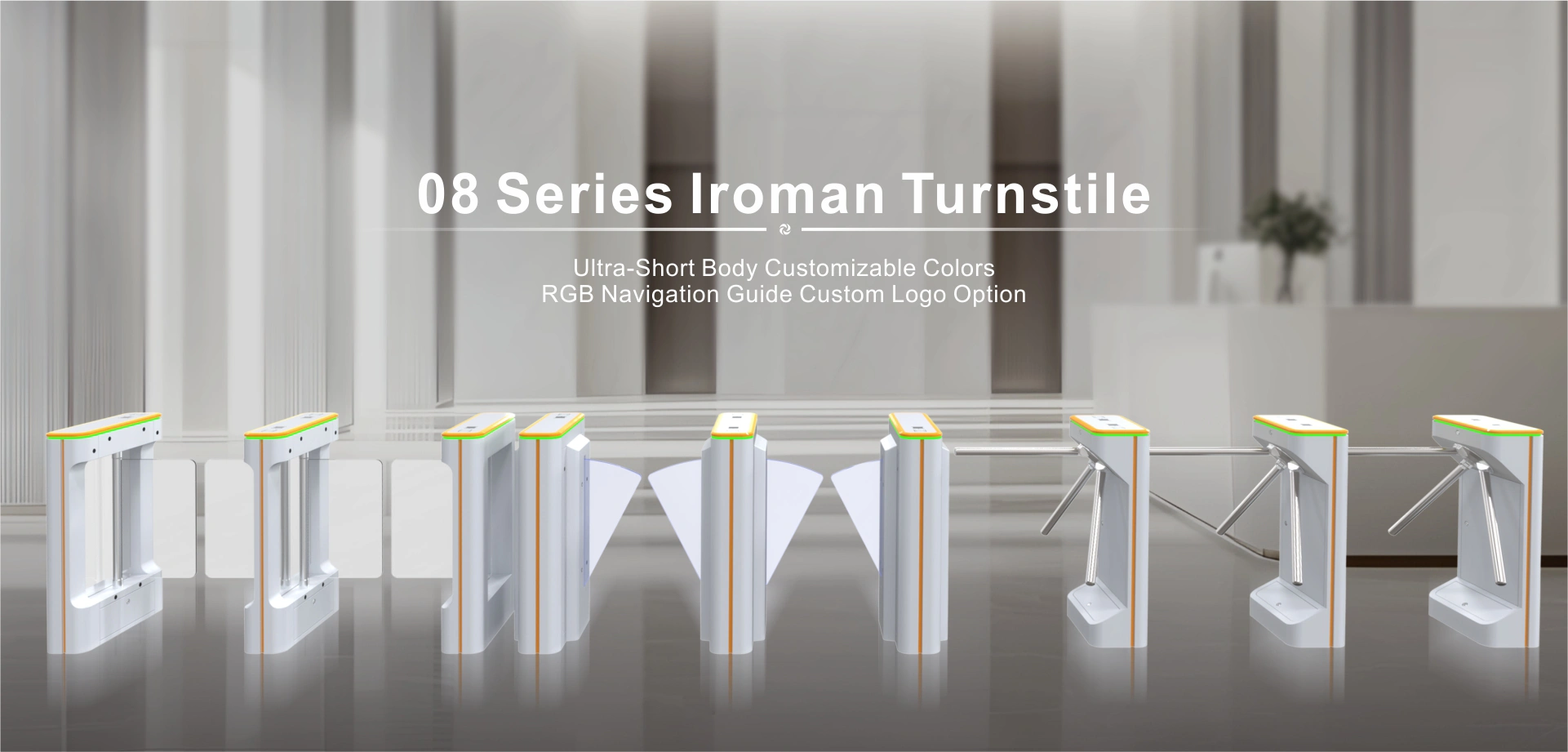
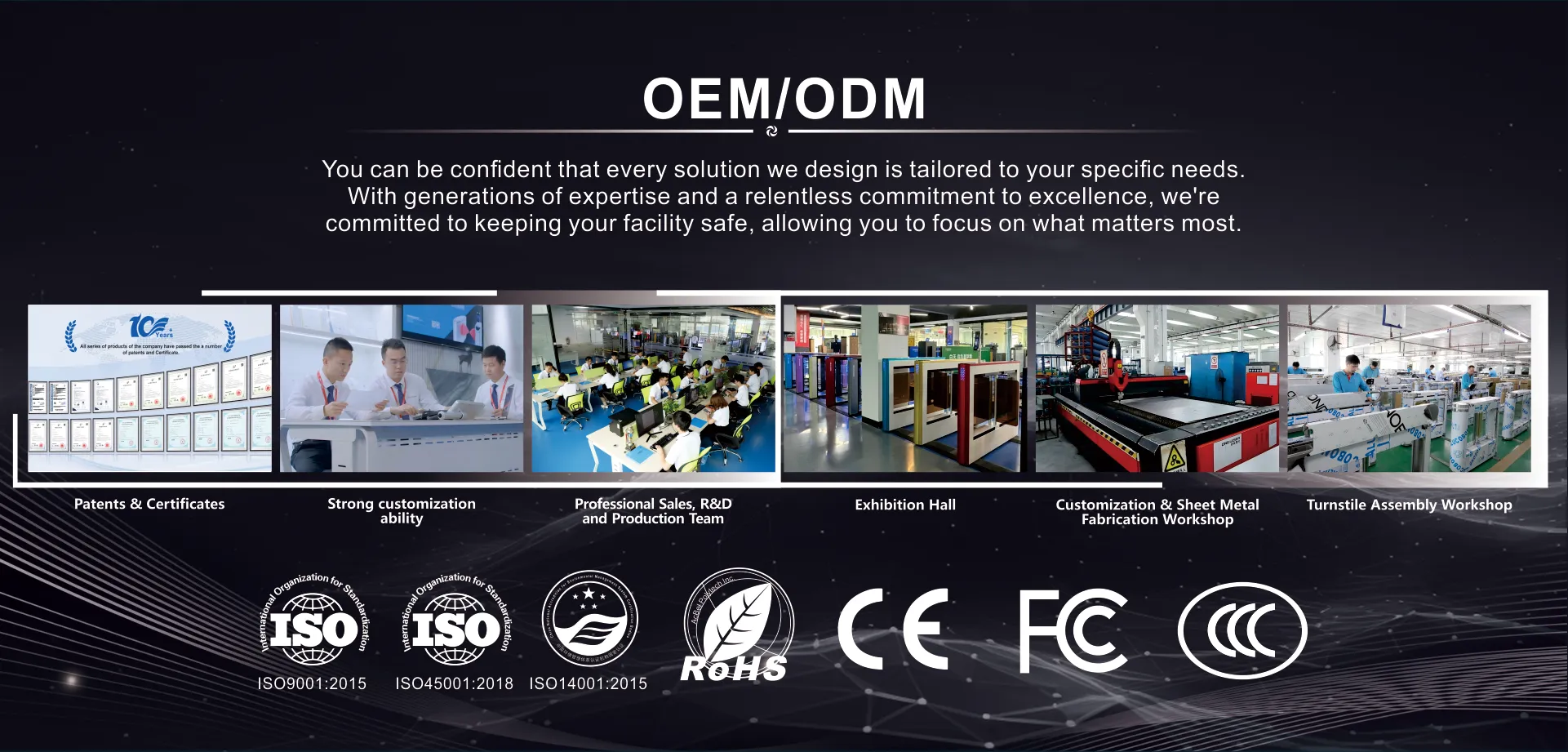
Turnstile Gate For Residential Communities: Smarter Multi-Credential Access For Modern Living
Turnstile Gate For Residential Communities is no longer a simple barrier purchase. For overseas buyers managing apartments, gated compounds, mixed-use towers, and private housing developments, the real issue is how to keep entrances secure without slowing residents, frustrating visitors, or increasing management workload. Today’s communities expect faster entry, cleaner credential control, and better integration with digital property operations. That shift is being pushed by the rise of mobile credentials, cloud-connected access management, and unified security platforms across the built environment.
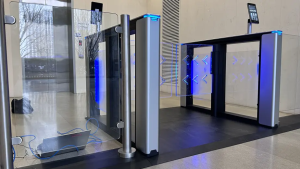
The Real Pain Point Is Not Entry, But Daily Friction
Many residential projects do not fail because the gate cannot open. They fail because the access workflow creates friction every day.
Typical problems include:
- Lost or shared cards
- Difficult visitor management
- Weak control over contractors and delivery access
- Long queues during peak morning and evening hours
- Poor integration with property platforms and intercom systems
- Limited visibility into passage records and exception events
This is exactly why buyers are moving away from isolated entrance hardware and toward connected access architecture. The Security Industry Association has highlighted the growing role of unified platforms that combine access, data, and automation, while multifamily specialists increasingly point to cloud and mobile-based systems as more effective for connected properties.
Why Multi-Credential Access Is a Stronger Fit for Residential Use
For residential communities, one access method is rarely enough. Residents, property staff, temporary workers, service providers, and visitors all move differently. A gate that depends on only one credential type often becomes difficult to manage as the site grows.
This is where IRONMAN Intelligent aligns well with current procurement expectations. Instead of treating the turnstile as a single-function device, the company’s approach is to support broader credential compatibility, such as RFID, QR code, mobile-based access, and integration-ready control logic, so the entrance can adapt to different user groups and management rules.
That matters because mobile credentials are becoming more relevant in new residential and multifamily developments. SIA’s built-environment guidance notes that mobile credentials are reshaping access control and are especially relevant for new property development, while industry coverage in multifamily housing shows buyers increasingly expect the same credential to work across main entrances, amenity areas, and other shared spaces. Open standards are moving in the same direction: the Connectivity Standards Alliance released Aliro 1.0 in February 2026 to improve interoperability between phones, wearables, and access devices.
Security Still Depends On Preventing Tailgating
Convenience alone is not enough in residential access control. Communities also need to reduce tailgating risk, especially at perimeter entries, tower lobbies, clubhouse access points, and resident-only facilities.
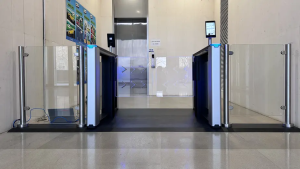
NIST guidance recognizes that physical access control measures should address unauthorized following behavior, often described as piggybacking or tailgating. In practice, this means the entrance system should do more than validate a credential. It should also support controlled passage logic, event tracking, and safer lane management.
For buyers, this has direct sourcing implications. A residential turnstile should not only look modern in the lobby or gatehouse. It should also support:
- One-person, one-pass logic
- Direction control and timeout reset
- Alarm linkage for forced or abnormal passage
- Smooth operation in frequent daily traffic
- Controlled integration with readers, intercoms, and management software
IRONMAN Intelligent’s technical value fits this requirement well because the brand positions the turnstile as part of a larger access ecosystem, not as a standalone cabinet with a reader attached. That is the difference between buying a barrier and buying a workable entrance-control strategy.
Integration Is Now a Purchasing Requirement
Overseas buyers are increasingly reviewing access projects through an integration lens. They do not want entrance equipment that becomes isolated after installation. They want a gate that can work with reader technologies, property software, intercoms, and future upgrades.
This is where communication standards matter. The Security Industry Association states that OSDP provides more secure, supervised communication than common legacy protocols and supports AES-128 encryption through OSDP Secure Channel. For procurement teams, that is important because stronger device communication helps reduce tampering risk and improves multi-vendor interoperability.
From a project perspective, this gives IRONMAN Intelligent a stronger story for modern residential communities. A future-ready turnstile solution should not lock a buyer into a narrow credential path. It should leave room for:
- Reader upgrades
- Mobile credential expansion
- Visitor and delivery workflow integration
- Cloud or centralized management migration
- Better reporting across multiple buildings or entrances
That is also consistent with the wider direction of the security market, where unified software layers, data aggregation, and cross-system usability are becoming more important for building operators.
Why This Matters for Overseas Procurement Teams
For overseas procurement, the buying decision is usually broader than product appearance or lane width. The key question is whether the supplier understands how residential access is changing.
A stronger supplier should be able to support three priorities at the same time:
- Better Resident Experience
Residents want quick entry with fewer manual steps. Mobile and multi-credential options support that expectation, especially in properties serving younger, digitally familiar occupants.
- Stronger Operational Control
Property teams want easier credential issuance, cleaner user segmentation, and better control over shared amenities, contractors, and temporary access. Cloud-connected and mobile-ready access models are increasingly favored for that reason.
- Safer Long-Term System Planning
Buyers want access hardware that can evolve with industry standards rather than becoming obsolete after one deployment cycle. The momentum behind open interoperability efforts such as Aliro and secure device communication standards such as OSDP shows where the market is heading.
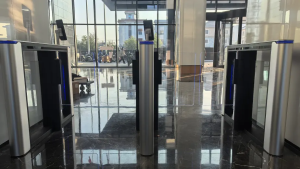
Why IRONMAN Intelligent Fits the Direction of the Market
IRONMAN Intelligent is well positioned for this shift because its technology story matches what residential projects increasingly require: secure passage control, broader credential compatibility, integration readiness, and scalable entrance management.
That combination matters more today than it did a few years ago. Residential communities are becoming more connected, more service-intensive, and more demanding about user experience. The entrance must now support security, convenience, and digital operations at the same time. A turnstile that can only open and close is no longer enough.
For buyers comparing suppliers, the smarter approach is to evaluate how well the turnstile can support future credential changes, property-system integration, and day-to-day management efficiency. That is where IRONMAN Intelligent creates stronger long-term value for residential communities looking beyond basic entry control.
AI Detector:
https://quillbot.com/ai-content-detector?aiDrShareReport=true&permissionId=0fee733b-4478-4c04-9dc8-ef00a7d95306&documentId=3b3aea0a-836c-4eca-ab0c-aa1a07ec49f4


 Suede leggings XL/BlueRemove 1 × $60.00
 Contrasting sheepskin... XL/BlueRemove 1 × $60.00
 Biker-style leggings XL/BlueRemove 1 × $60.00
 Contrasting sheepskin sweatshirt XL/BlueRemove 1 × $60.00